Fuel prices don't need to hit record highs before they start shaping your choices. You feel the impact in small ways: a pause at the pump, a second thought before a detour, quick mental math before a weekend trip. That’s why fuel-saving car technology matters more now. Today’s drivers don't want vague promises. They want something that matches real Philippine driving conditions.
BYD’s Super DM-i goes beyond traditional Hybrid powertrains and is built around that idea. It works as an intelligent energy system that uses electric drive as the default and brings in the dual-mode engine only when it adds value. The goal is to cut fuel use without asking you to change your routine. No special driving habits. No constant mode watching. Just smarter energy management working quietly in the background.
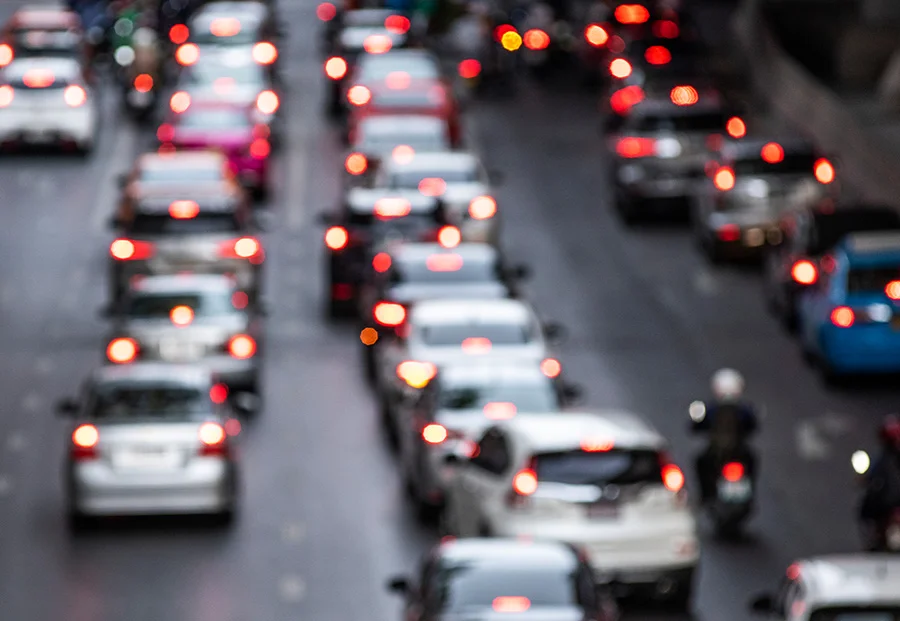
Where Everyday Fuel Use Really Happens
A lot of fuel gets burned in the least efficient parts of driving: slow starts, heavy traffic, and short trips stacked through the day. With Super DM-i, electric drive covers more of these situations. Electric motors work well at low speeds and respond instantly from a stop, so they handle the kind of crawling movement that usually punishes a conventional engine. In HEV Mode, the system uses the engine to recharge the battery or add power when needed. Instead of your engine doing most of its work in the worst conditions, the system spreads the load more intelligently. That’s the core of smart energy switching.
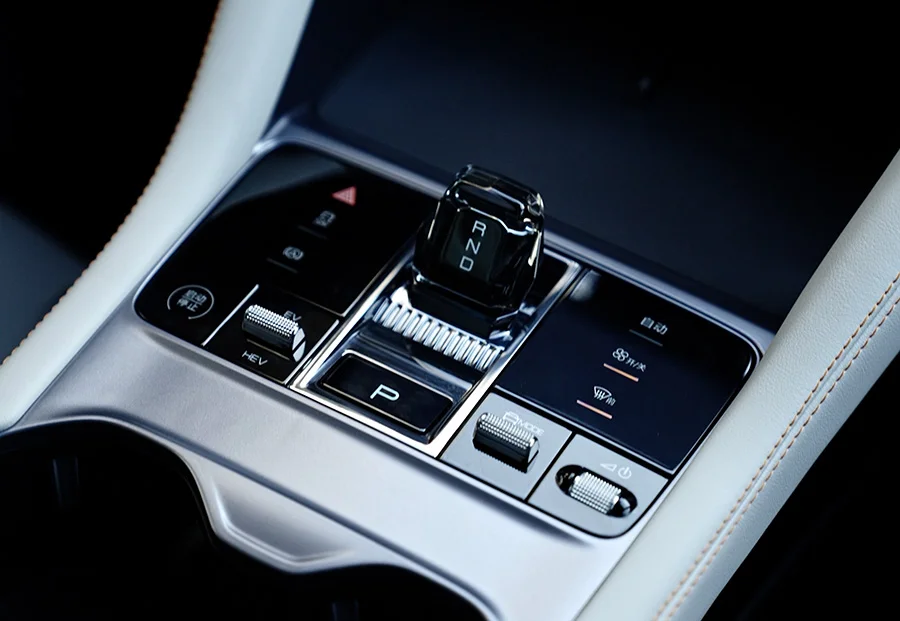
EV Mode and HEV Mode in Simple Terms
You don't need deep technical knowledge to use the modes properly. EV Mode is your urban setting. It keeps the engine off and runs on battery power, which suits short commutes, errands, and regular routes within a predictable distance. HEV Mode is your flexible everyday setting. The electric motor still does most of the driving, while the engine comes in when power demand rises or when the battery drops to a set level, and it can charge the battery while you move. You get strong day-to-day economy and support for longer trips without worrying about choosing the “perfect” mode every time.
Three Common Filipino Driving Patterns
Think about three familiar patterns.
A weekday urban driver doing school runs, office commutes, and grocery stops wastes fuel in a regular car because of constant stop-start traffic. With DM-i, more of that low-speed driving can fall under electric power, trimming weekly fuel use.
A mixed-route family that drives in the city on weekdays and visits relatives on weekends gets calm behavior in traffic and steady pace on longer stretches, with HEV Mode handling the switching in the background so the drive feels smooth for everyone on board.
An out-of-town traveler doing early expressway starts, some mountain roads, and a long drive home benefits from the pairing of a dual-mode engine and electric drive, keeping the direct response of the motor while the engine supports range and consistent performance.
The routines are different, but the goal’s the same: spend less on fuel without losing comfort or pace.
A Real Example of Potential Savings
To put numbers to this, let’s take a look at BYD’s Savings Calculator. It lets you compare a conventional internal combustion engine vehicle with a DM-i, DMO, or pure EV model using simple inputs.
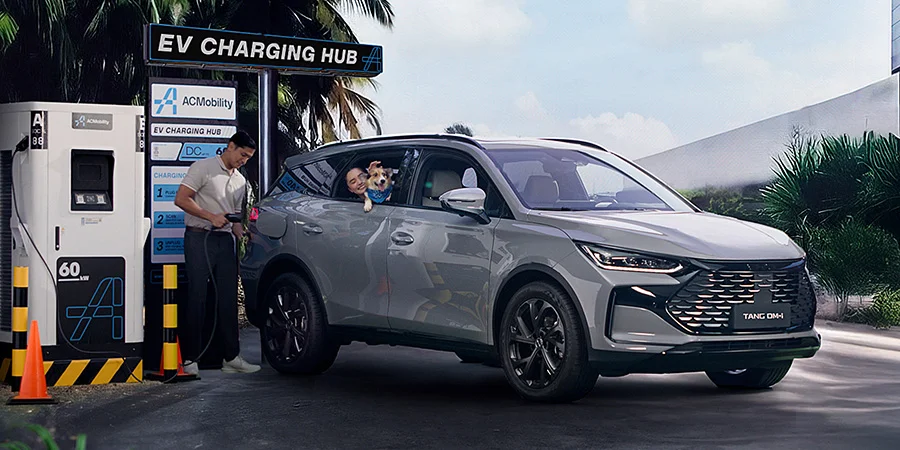
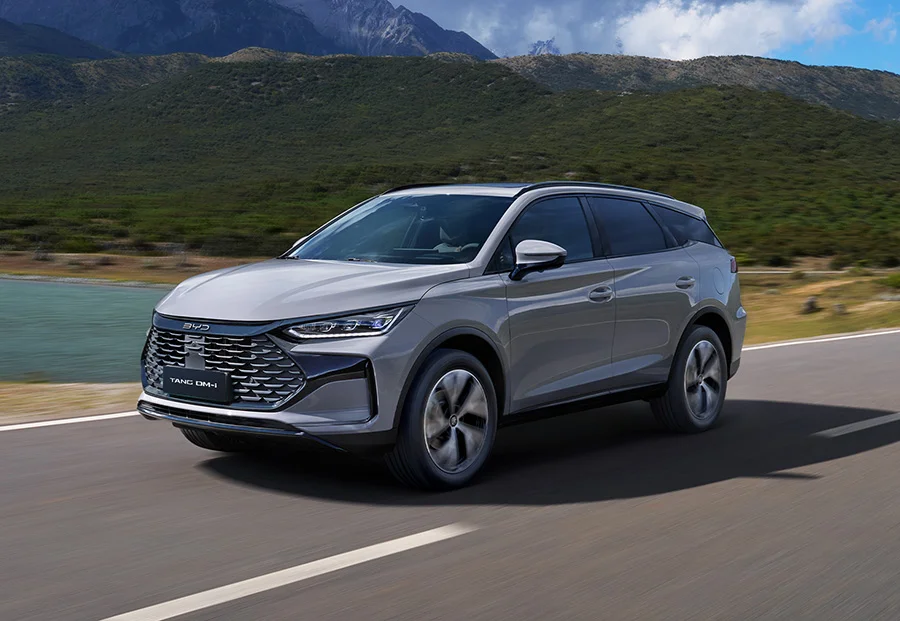
Take one example. Imagine a regular gasoline vehicle traveling 1,080 kilometers a month, at a fuel price of 60 pesos per liter and a fuel consumption of 9.5 kilometers per liter. Now compare that to a Tang DM-i driven over the same distance, with an even split between electric drive and fuel use. In that case, the calculator estimates that the Tang DM-i can save about P3,309.71 in fuel costs in a month. Over a year, that works out to roughly P39,716.51 or about 54% in potential savings. Using electric power more often makes those numbers go up even further.
These figures are estimates, not guarantees. Actual results will depend on fuel prices, electricity rates, driving style, and how often your trips allow EV driving. Still, the example shows how an electric-first system can shift monthly running costs in a realistic scenario many Filipino drivers can relate to.
Savings You Notice Over Time
Many people look for one big number to be convinced. In practice, savings often show up as steady patterns instead: fewer surprise fuel stops, less stress during traffic-heavy weeks, and the sense that city driving isn’t hitting your budget as hard as before.
Super DM-i supports this by combining electric-first driving, smart engine use, and regenerative braking that recovers energy whenever you slow down. In stop-start environments, that mix can create noticeable differences over weeks and months, not just on a single day.
What This Means When You Choose Your Next Car
Not every driver will see the same results. Routes, speeds, traffic levels, and chances to use EV Mode all play a part. What matters is the intent behind the technology. DM-i’s designed to favor electric drive whenever possible, call on the engine only when it adds real value, and keep the drive smooth while watching energy use.
If you’re in the market for a new vehicle, you just need to ask yourself one question: where does most of your driving time happen? If the honest answer is “in traffic” or “on short daily routes,” then a system that puts electric drive first is probably a closer match to your lifestyle than you expect. If you also need weekend flexibility and long-distance capability, the dual-mode engine adds range and confidence.
Super DM-i sits in the middle ground many Filipino drivers are looking for now: lower fuel use in daily conditions, a calmer drive in the city, and smooth, assured performance on mixed routes.